How tracking extends the solar day
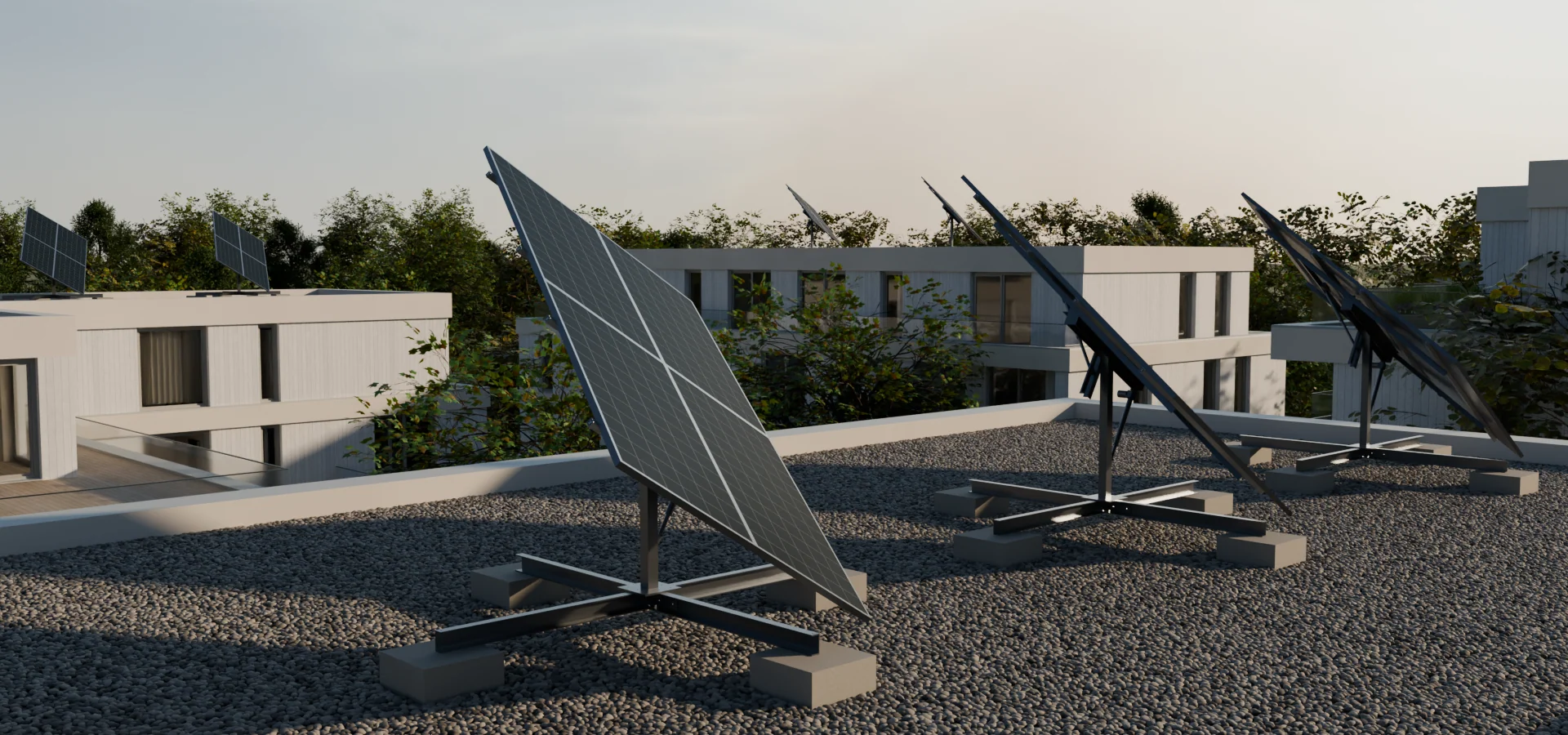
Conventional photovoltaic systems use a fixed orientation and therefore reach their highest output when the sun aligns well with the selected angle. In the morning, evening and winter months, sunlight strikes the modules at a lower angle. A solar tracker can adjust the module position throughout the day and year, creating a wider yield window.
This approach is particularly relevant for commercial and industrial operators. Many businesses have already installed PV across their available roof areas, while additional land is unavailable or needed for production, logistics and future expansion. When space and installable capacity are largely exhausted, using the existing surface more effectively becomes increasingly important.
Tracking can generate solar power earlier in the morning and later into the evening. During winter, when the sun remains lower in the sky, the modules can also be aligned more favourably with the angle of incidence. This can distribute generation more evenly and better match operational demand profiles.
Site-specific planning
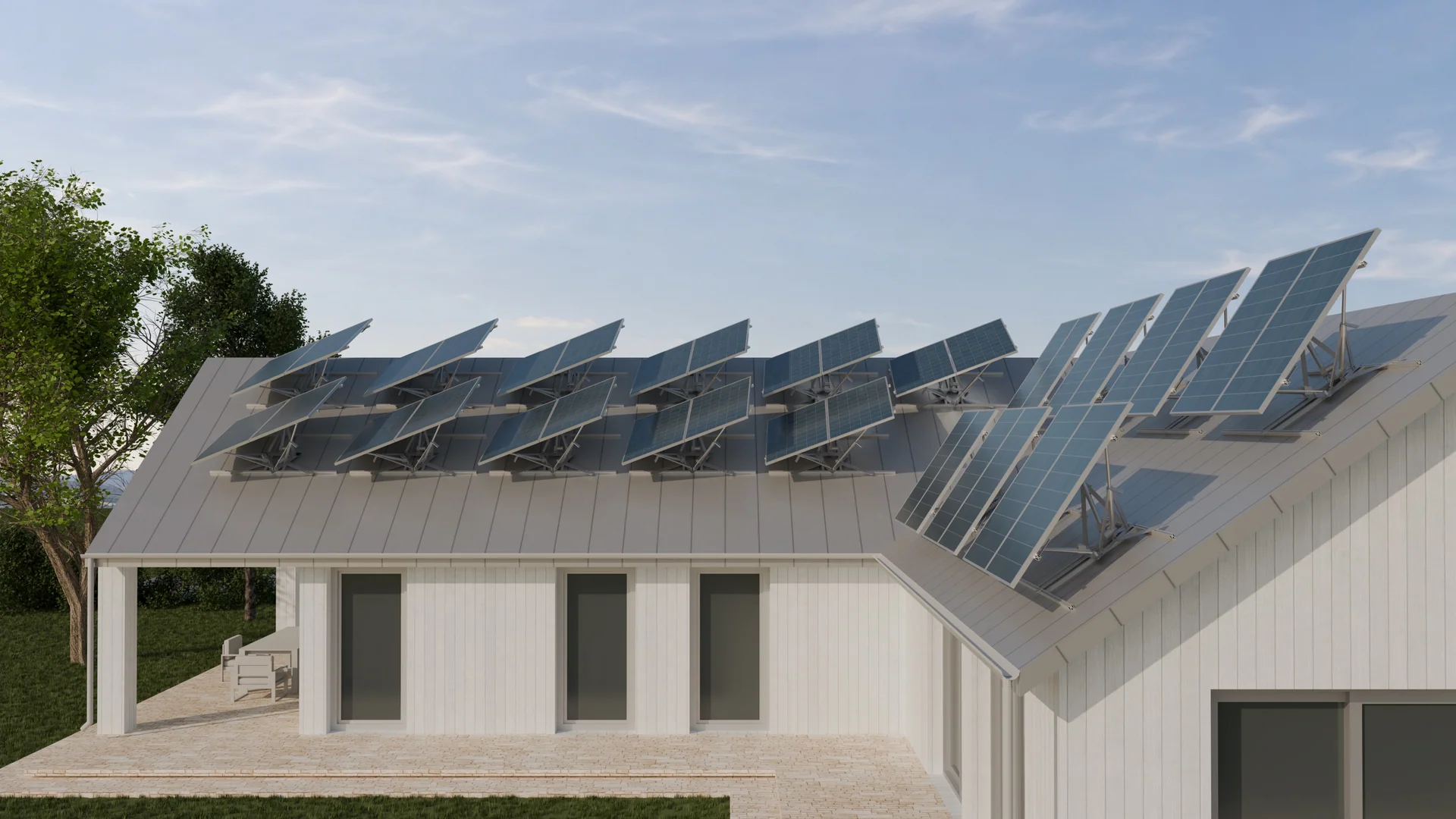
Rooftop solar tracking is not purely a mechanical challenge. Roof geometry, structural capacity, wind loads, shading, module technology and control systems must be considered together. Only site-specific planning can determine which tracking movements make sense and how much additional energy potential can realistically be captured.
SOLART therefore develops tracking systems for different roof types. The objective is not movement for its own sake, but smarter use of available solar surfaces—particularly where new space is scarce and every additional kilowatt-hour from existing infrastructure matters.